A Living Body of Work
Every organization, initiative, and community I’ve helped build has explored the same enduring question:
What helps people and communities flourish?
While each began with a different purpose, together they have become one interconnected body of work. Each has been a place to practice ideas, learn through experience, and deepen my understanding of belonging, leadership, wellbeing, recovery, and stewardship.
Looking back, I don’t see separate projects. I see a series of living experiments. Each one has shaped the questions I continue to explore today.
Sol Yoga: Practice
-->
Sol Center:Service
-->
Sol Community: Belonging
-->
Raise the Bar: Transformation
-->
The Belonging Experiment: Continue the Inquiry
Sol Yoga: Practice --> Sol Center:Service --> Sol Community: Belonging --> Raise the Bar: Transformation --> The Belonging Experiment: Continue the Inquiry
Sol Yoga
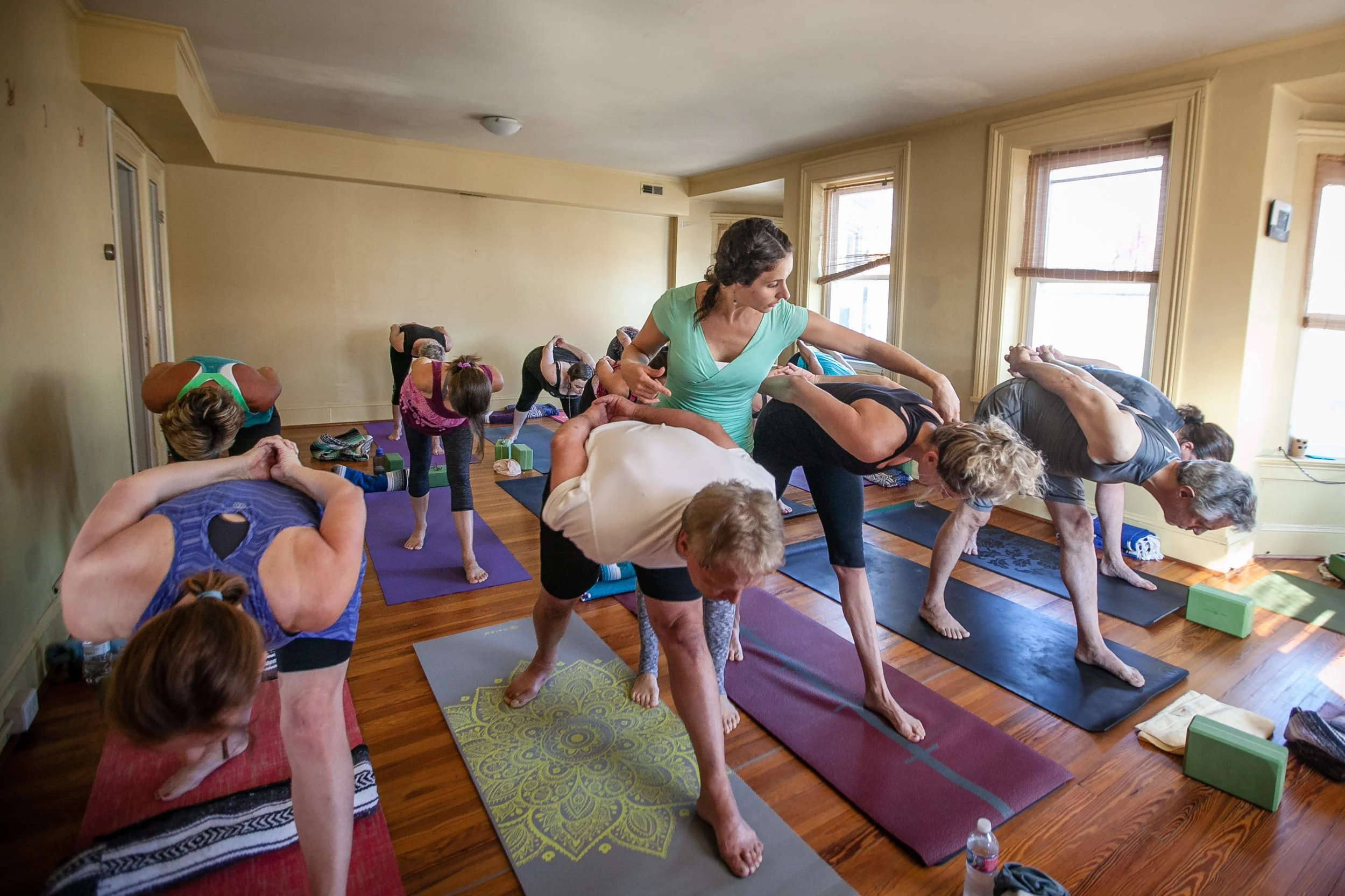
Founded in 2005, Sol Yoga began with a simple vision: to create a welcoming place where people could cultivate health, wellness, and wholeness through the practice of yoga. From the beginning, it was about more than teaching poses. It was about creating a community where people could care for themselves and, in turn, care for one another.
The Need
I was exploring a simple question:
How can a regular practice support wellbeing while also creating meaningful connection and a sense of belonging?
The Practice
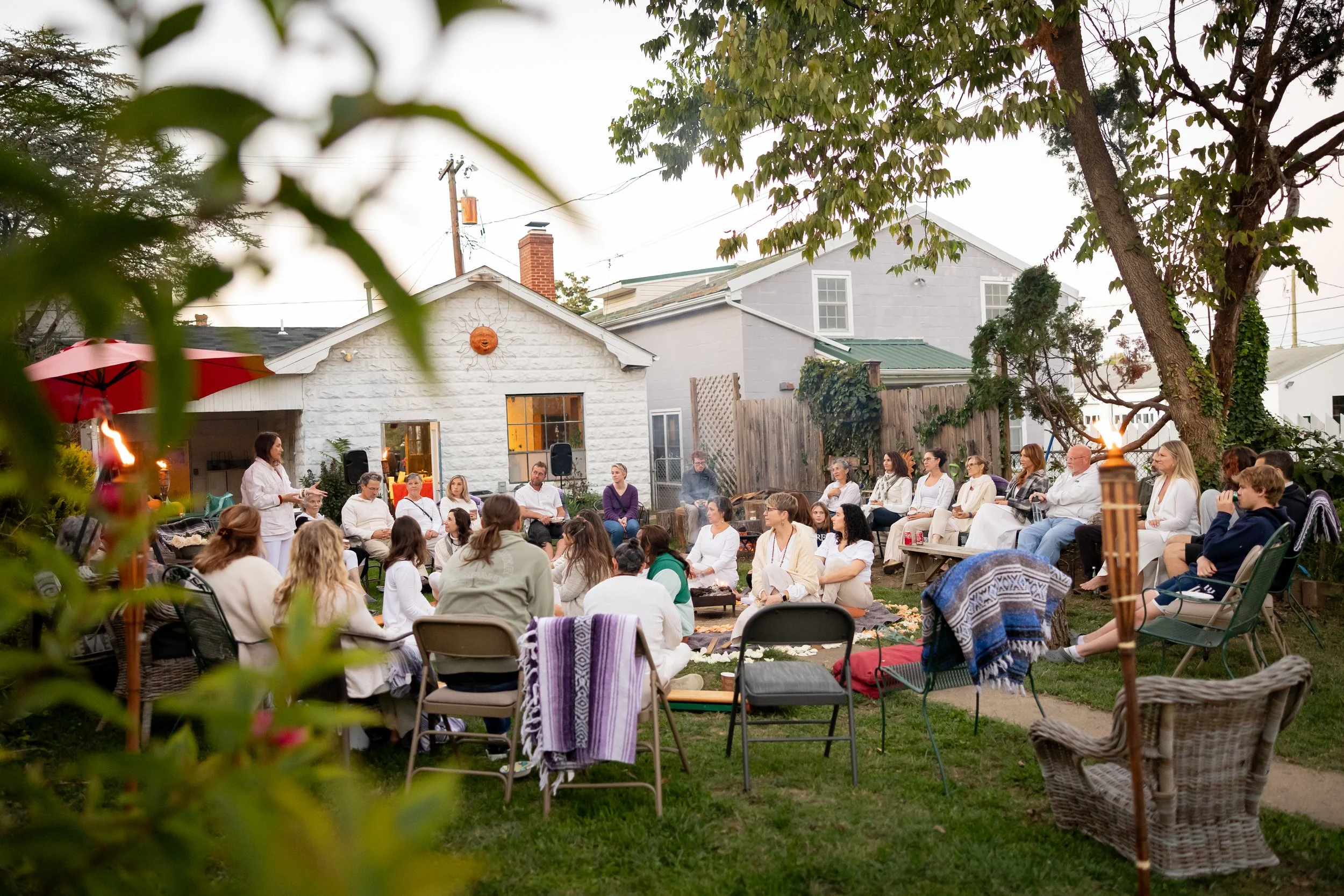
Over the years, Sol Yoga became more than a yoga studio. It grew into a vibrant community where people practice together, support one another through life’s transitions, learn, teach, celebrate, grieve, and form lasting relationships. The studio became and is still a place where wellbeing is nurtured not only through the practice of yoga, but through shared experience and genuine connection.
What It Taught Me
People often came seeking better health, greater flexibility, or relief from stress. What kept many returning wasn’t simply the practice of yoga—it was the relationships they formed and the sense of belonging they experienced.
Sol Yoga taught me that transformation rarely happens through a single experience. It grows through consistent practice, supportive relationships, and environments where people feel seen, welcomed, and encouraged to keep showing up.
It was here that I first began to understand that while people may come for the practice, they stay for the community.
The Story
Sol Center
What began as Good Cause Yoga - a simple non profit commitment to making yoga accessible through free community offerings - evolved into Sol Center as the questions expanded from access to belonging, connection and collective wellbeing.
As the work grew, so did the questions we were exploring. What began as an offering of yoga became a broader exploration of how people heal, connect, serve, and support one another.
The evolution from Good Cause Yoga to Sol Center reflected the expansion of the work itself—not just a place to practice yoga, but a place to explore what it means to create a truly connected and inclusive community.
Sol Center was guided by the belief that healing happens in relationship and that communities can become places where people find connection, support and the opportunity for better living.
Our mission became:
Sol Center is the heart of a thriving community that offers healing, connection and recovery support to any human striving toward better living.
The Need
The question became:
How can we create a community that reflects the true essence of yoga—connection, union, and belonging?
Yoga has often been perceived as a practice reserved for certain communities or those with privilege and access. This raised an important question: how do we ensure that the practice is experienced in its fullest expression—not simply as something practiced on a mat, but as a way of relating to ourselves, one another, and the world?
The deeper inquiry became:
What happens when we understand yoga not just as a physical practice, but as a practice of connection that addresses the isolation and separation many people experience?
The Practice
Sol Center expanded the work beyond yoga into nonprofit community initiatives, creating opportunities for connection, education, service, recovery support, and shared experiences.
We explored how the principles of yoga could extend beyond individual wellbeing into the way we build community—with greater awareness, compassion, accessibility, and care for one another.
Sol Center became a place centered around the belief that healing happens in relationship.
What It Taught Me
Sol Center deepened my understanding that yoga, at its essence, is not about the shapes we create with our bodies. It is about the connections we create with ourselves, with each other, and with the larger community.
I learned that belonging is not created by simply inviting people into a space. It requires examining the conditions that make people feel welcomed, valued, and able to participate fully.
The practice of yoga offers a profound response to the challenges of our time: the experience of isolation, disconnection, and separation.
When understood as union, yoga becomes not just an individual practice, but a way of living in relationship with one another.
The Story
Sol & Better Living Community
My understanding of community has always been connected to the spaces we create and the ways we welcome one another.
Growing up alongside my father’s work in land development and home building, I developed an early understanding that places are more than structures—they shape how people live, gather, and connect. Over the years, my own work in real estate, property renovation, and creating living environments became another way of exploring the relationship between physical spaces and human belonging.
After seven years living abroad, I returned to the United States during a major transition in my life. Leaving behind what had appeared to be a traditional picture of stability, I became a solo parent of three children and moved into one of my own properties that had previously been a rental home.
What initially began as a practical transition became an unexpected lesson in the power of shared living. The other unit in the home was rented to Kathy, who became the first resident of what I would later recognize as an intentional community. She became an aunt figure to my children, a trusted part of our daily lives, and an example of how family and belonging can be created beyond traditional structures.
Looking back, this was the beginning of a deeper exploration: what happens when we intentionally create homes where people are not simply housed, but connected?
My own journey with recovery and the communities that surrounded that experience further shaped my understanding of healing, accountability, service, and human transformation. The principles of connection, honesty, mutual support, and personal growth became foundational to how I understood what helps people create healthier lives.
The timing of this exploration also coincided with a global experience that brought the importance of connection into sharper focus. Just months after returning home, the COVID-19 pandemic revealed the profound impact of isolation on human wellbeing and reminded us how essential relationship, community, and belonging are to our health.
All of these threads came together in the exploration that became Sol Community.
The Need
The question became:
What happens when people intentionally practice belonging—not just during a class, gathering, or shared experience, but as part of daily life?
I began exploring whether a home could become more than a place to live—a place where people could experience stability, connection, support, and the opportunity to grow.
The deeper question was:
How do we create environments where people are not only supported, but truly connected?
The Practice
What began as opening my own homes to people in seasons of transition evolved into a broader exploration of intentional community.
By combining housing with connection to the Sol community, supportive relationships, and practices that encourage wellbeing and growth, these homes became places where people could rebuild, reconnect, and experience better living.
Many residents have been connected to recovery communities, while others simply needed a supportive environment during a transitional season of life.
Over time, more than 40 residents have participated in this shared living experiment.
What It Taught Me
Sol Community taught me that belonging often emerges when we allow ourselves to rethink the structures we have inherited.
A home is not defined only by ownership, walls, or traditional definitions of family. It is defined by the relationships, care, trust, and shared responsibility created within it.
I learned that the same principles that support personal transformation also support healthy communities: honesty, accountability, compassion, repair, and a willingness to show up for one another.
Community is not created by proximity alone.
It is created through the everyday practices of making space, welcoming others, and choosing connection.
Better living is not something we achieve alone. It is something we practice together.
The Story
Raise the Bar Recovery
My understanding of recovery began during a deeply personal season of transformation.
After divorce and a period of rebuilding life as a solo parent, I was introduced to someone who shared with me that he was in recovery. Through this relationship, I was introduced to the wisdom and practices of 12-step recovery.
What began as an effort to better understand addiction, relationships, and patterns of human behavior became my own journey of self-examination, healing, and transformation. Through meetings, mentorship, and working the program, I discovered a community built on honesty, humility, willingness, open-mindedness, service, and connection.
I experienced something immediately familiar: the same sense of belonging I had encountered through yoga.
Both yoga and recovery offered practices for moving beyond separation and toward connection—with ourselves, with one another, and with life itself.
The Need
The question became:
What if recovery is not only about overcoming a specific behavior, but about returning to connection?
My understanding of recovery expanded beyond the traditional definition of substance use disorder. I began to see addiction more broadly as a human experience of disconnection—the many ways we lose touch with ourselves, our relationships, our purpose, and our ability to experience ease and presence.
The wisdom of recovery revealed that healing is not found through isolation or self-reliance alone. It happens through relationship, support, accountability, and the willingness to see ourselves more clearly.
The Practice
Through my own recovery journey and training in yoga-informed recovery approaches, I began exploring the deep relationship between yoga and recovery.
Both traditions invite us into practices of awareness, acceptance, compassion, and transformation. Both require the qualities that make growth possible: humility, curiosity, open-mindedness, and willingness.
Raise the Bar Recovery emerged from this intersection—the understanding that yoga, recovery, and community are not separate paths, but complementary practices that help people move from isolation toward belonging.
The intention is to create accessible, transformational programming that supports people in recovery and those seeking a deeper relationship with themselves, others, and life.
What It Taught Me
Recovery taught me that the human struggle is not simply about what we do—it is about what we are disconnected from.
The practices of recovery and yoga both invite us into greater awareness, honesty, compassion, and connection.
I learned that healthy relationships are not built through dependence or independence alone, but through conscious interdependence—the ability to remain connected to ourselves while creating meaningful, supportive relationships with others.
The same principles that support personal transformation also support healthy communities: humility, curiosity, accountability, service, compassion, and a willingness to continue learning.
Recovery is not simply about removing something harmful. It is about creating a life rooted in relationship, purpose, belonging, and meaning.
The question that continues to guide all of my work is:
What are the conditions that help people return to connection and experience belonging?
The Story
The Belonging Experiment
After 25 years of building organizations, communities, and relationships, I began to recognize the thread connecting all of the work.
Each chapter had been exploring the same enduring question:
What helps people and communities flourish?
The places and communities I helped create became living experiments—each offering lessons about belonging, healing, leadership, wellbeing, recovery, and what humans need to thrive.
The Belonging Experiment is a continuation of that inquiry.
The Need
The question now is:
What are the conditions that allow people to experience true belonging?
At a time when many people are experiencing increasing isolation and disconnection, this question feels more important than ever.
How do we create families, communities, workplaces, and cultures where people feel seen, valued, connected, and able to contribute?
The Practice
The Belonging Experiment is an ongoing exploration through writing, storytelling, conversation, reflection, and shared inquiry.
Writing and journaling have been lifelong companions in my own process of healing, discovery, and growth. Reading the stories, wisdom, and experiences of others—from ancient traditions and spiritual teachers to academics, memoirists, and everyday people—has profoundly shaped my understanding of what it means to be human.
I believe storytelling is one of our most powerful pathways to connection. When we share our experiences, struggles, lessons, and hopes, we discover the threads that connect us across cultures, generations, and circumstances.
This is one of the great gifts of recovery communities: the practice of sharing experience, strength, and hope. Through story, we remember that we are not alone.
The work continues through writing, photography, conversations, collaborations, and the creation of offerings that support individuals and communities in cultivating belonging.
What It Taught Me
Belonging is not a destination we reach. It is a practice we choose—again and again.
After decades of exploring yoga, recovery, community, relationships, and human transformation, I continue to return to a few essential questions:
How do we live well together?
How do we create spaces where people can heal, grow, and contribute?
How do we remember that we belong?
This experiment is ongoing—and everyone has a story, a perspective, and a contribution to offer.
The question is not only what we can learn about belonging, but what we can create together.
The Story

2025
New York
The Atlast Project →
“Communication was top-notch and the final outcome was even better than we imagined. A great experience all around.”
Former CustomerGet In Touch
If you're interested in working with us, complete the form with a few details about your project. We'll review your message and get back to you within 48 hours.